
Discover the Feathered Wonders of Carnarvon Gorge: A Birdwatcher’s Paradise
Birds of Carnarvon Gorge

Carnarvon Gorge, a breathtaking sandstone haven in Queensland’s Central Highlands, is a must-visit for bird enthusiasts and nature lovers. With over 173 bird species calling this ancient gorge home, it’s a vibrant hotspot that draws visitors searching for "Birds of Carnarvon Gorge" to witness Australia’s avian treasures. Whether you’re a casual birder or a seasoned twitcher, this guide will spark your excitement with unique species, fun facts, and insider tips to elevate your Carnarvon Gorge birdwatching adventure. Join our expert-guided tours to explore this feathered wonderland and uncover the magic of Carnarvon National Park’s birdlife!
Quick Stats on Carnarvon Gorge Birdlife
Total Species: 173 in the Gorge, with over 210 across Carnarvon National Park.
Top Spots: Main Gorge track, Moss Garden, and Takarakka campground for prime sightings.
Best Time: Dawn (5:30 AM) or dusk for peak bird activity along creeks and trails.
Pro Tip: Binoculars and a guided tour unlock hidden species—perfect for capturing Instagram-worthy shots of Carnarvon’s birds!
Must-See Birds of Carnarvon Gorge
These iconic species showcase the Gorge’s unique biodiversity, blending eastern rainforest dwellers with inland survivors. Each comes with a quirky fact to make your birdwatching tour unforgettable:

Australian King Parrot: Males flaunt Australia’s only all-red parrot head, a fiery beacon in the rainforest shade. Their flute-like whistles echo off cliffs, marking the western edge of their range.
Glossy Black-Cockatoo: This vulnerable, pint-sized cockatoo crunches she-oak seeds, dropping cone bits like a forest party. Look for red tail flashes in flight!
Powerful Owl: Australia’s largest owl, this nocturnal hunter mates for life and snags possums with deadly precision. Its eerie “woo-hoo” haunts the night.
Apostlebird: Traveling in chatty “apostle” gangs of about 12, these team players build mud nests and share parenting duties like a feathered commune.
Squatter Pigeon: A vulnerable ground-dweller that freezes like a statue when spooked, blending into grasslands with its bandit-like face mask.
Ready to spot these avian stars? Book a Carnarvon Gorge birdwatching tour and let our guides lead you to the best hideouts for these feathered gems!
The Ultimate Guide to Birdwatching in Carnarvon Gorge
Nestled in Queensland’s Carnarvon National Park, Carnarvon Gorge is a 400-million-year-old sandstone masterpiece spanning 298,000 hectares. Its permanent artesian springs, lush creek lines, and diverse habitats—from riparian corridors to eucalypt woodlands—create a birdwatching paradise that rivals global hotspots. With 173 bird species in the Gorge alone (and 210–229 across the park, depending on surveys), it’s no wonder why “Birds of Carnarvon Gorge” is a top search term for nature enthusiasts planning their Queensland adventure. This blog post dives deep into the Gorge’s avian wonders, offering a detailed look at its birdlife, standout species, and practical tips to optimise your visit.
Why Carnarvon Gorge is a Birdwatcher’s Dream
Carnarvon Gorge sits at a unique ecological crossroads, blending wet eastern forest species with dry inland dwellers. This “Goldilocks zone” supports nearly 20% of Australia’s bird species in a compact, accessible area. Permanent water from Carnarvon Creek and Ward Creek fuels year-round activity, while varied microhabitats—think shady fern gullies, open grasslands, and towering cliffs—host everything from tiny wrens to majestic raptors. The Gorge’s main 9.7 km return track alone can yield 40+ species in a morning, with side trails like Moss Garden and the Amphitheatre revealing rarer finds. Spring (September–November) brings a migratory buzz, while winter sharpens focus on resident owls and nightjars. Conservation efforts here are critical, as habitat loss and invasive species threaten these populations, making your visit a chance to support preservation through guided tours.
Birdlife by the Numbers: A Snapshot
To ground our exploration, here’s a verified breakdown of Carnarvon’s birdlife, drawn from park records, eBird data, and local tour insights:
Category | Details | Examples |
Total Species | 173 in Gorge; 210–229 in broader park (variations reflect ongoing citizen science updates). | 150+ natives, plus introduced species like Spotted Dove. |
Common Sightings | Everyday stars in campsites and trails. | Superb Fairy-wren (vibrant blue darts), Laughing Kookaburra (iconic laughs), Eastern Whipbird (whip-crack calls). |
Habitat Breakdown | - Riparian zones: 60% of sightings along creeks. - Woodlands: Parrots and honeyeaters dominate. - Cliffs: Raptors and swallows soar. | Yellow-faced Honeyeater (creekside flitters), Peregrine Falcon (cliff hunters). |
Seasonal Patterns | Mostly resident, with 20+ migratory species (e.g., Rufous Fantail in summer). | Peak diversity in spring; winter for nocturnal species. |
These stats, cross-checked with sources like Queensland Parks and Avibase, confirm Carnarvon’s status as a biodiversity gem. For real-time updates, apps like eBird let you log sightings and join a global birding community.
Star Species: Carnarvon’s Avian Celebrities
The Gorge’s unique position creates a haven for species at their range limits or with vulnerable status. Below, we expand on our must-see birds, adding two more to enrich your Carnarvon Gorge birdwatching experience, complete with fun facts and spotting tips to fuel your adventure:
Species | Why Unique/Rare | Fun Fact | Where to Spot | Conservation Note |
Australian King Parrot (Alisterus scapularis) | Westernmost range; rainforest icon. | Males rock a blazing red head (unique among Aussie parrots) and whistle like a symphony to bond with lifelong mates. | Rainforest patches along Carnarvon Creek; try early morning hikes. | Secure, but edge habitats need protection. |
Glossy Black-Cockatoo (Calyptorhynchus lathami) | Vulnerable; smallest black cockatoo. | A seed specialist, it munches she-oak cones, leaving twig “confetti” below—males flash red tail bands like a secret signal. | She-oak stands near park entrance; scan treetops. | Vulnerable (IUCN); logging threatens food trees. |
Powerful Owl (Ninox strenua) | Australia’s largest owl; elusive predator. | Mates for life and hunts possums with talons like daggers—its deep “woo-hoo” call feels like a forest ghost story. | Mature eucalypts at dusk; listen from Takarakka. | Vulnerable; needs old-growth trees to thrive. |
Apostlebird (Struthidea cinerea) | Social, cooperative breeder. | Named for “apostle” groups of ~12, they chatter like a family reunion and build mud nests like tiny fortresses. | Grassy clearings near campgrounds; watch for group antics. | Least Concern; droughts stress social structures. |
Squatter Pigeon (Geophaps scripta) | Vulnerable; range-edge ground-dweller. | Freezes like a statue when startled (hence “squatter”), blending into grass with a black-and-white face mask. | Open woodlands off main track; tread lightly. | Vulnerable (IUCN); predators like cats hit hard. |
Red-browed Finch (Neochmia temporalis) | Vibrant seed-eater; prefers dense undergrowth. | Its fiery red eyebrow and tail flash like embers as it darts through grass, snacking on seeds in small, lively flocks. | Dense shrubbery near Ward Creek; look for quick movements. | Secure; habitat clearing can reduce food sources. |
Red-backed Fairy-wren (Malurus melanocephalus) | Tiny jewel; western range limit. | Males flash crimson backs in breeding season, dancing like tiny flames to impress mates in a polygamous frenzy. | Grasslands near Ward Creek; scan low shrubs. | Secure; fire regimes can disrupt breeding. |
White-throated Nightjar (Eurostopodus mystacalis) | Nocturnal camouflage master. | Its “tok-tok” call mimics dripping water, and it blends into leaf litter like a ghost—spot it by torchlight on night walks. | Rocky slopes at dusk; join a guided night tour. | Least Concern; habitat clearing reduces cover. |
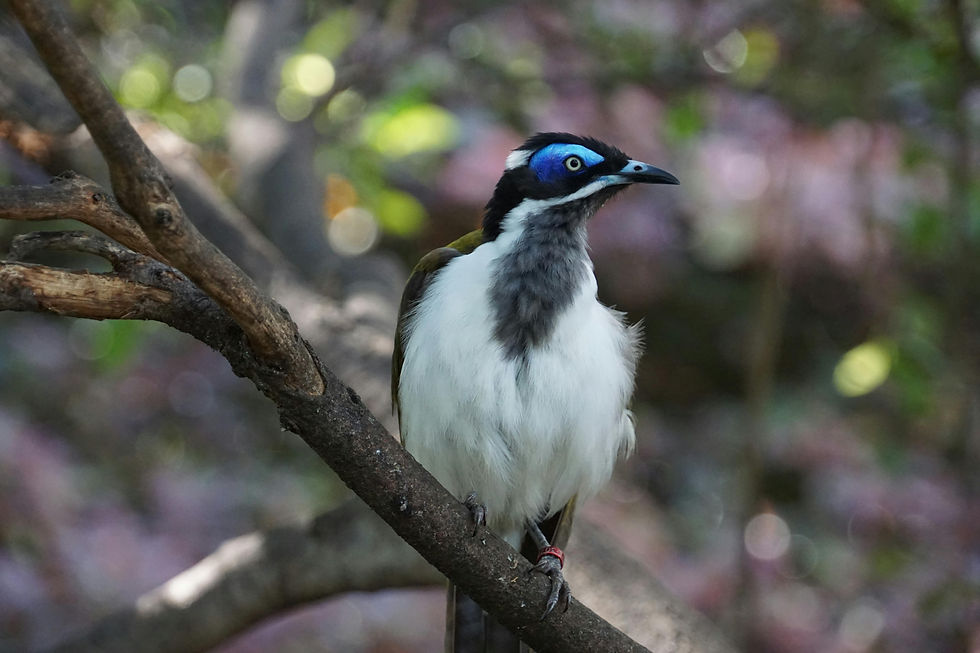
These species aren’t just checklist ticks—they’re stories of survival and spectacle. Picture an Apostlebird clan dust-bathing in sync or a Blue-faced Honeyeater hunting in the afternoon by the creek. Guided tours amplify your chances, with local experts pinpointing nests and bowers while sharing ecological insights.
Birdwatching Tips for Carnarvon Gorge
To make your Carnarvon Gorge birdwatching tour a success, plan smart:
Timing: Hit the trails at dawn (5:30 AM) or late afternoon for peak activity. Spring (Sep–Nov) maximises diversity; winter reveals owls.
Gear: Pack binoculars, a field guide (or eBird app), water, and sturdy shoes. A zoom lens captures King Parrots’ red heads.
Hotspots: Main Gorge track for variety, Moss Garden for wrens, and cliffs near the Amphitheatre for raptors. Takarakka campground is great for Apostlebirds.
Ethics: Stick to trails to protect nests. Avoid playback calls, which stress birds. Book a guided tour to learn without disturbing.
Bonus: Night tours reveal owls and nightjars—bring a torch and warm layers for cooler evenings.
Conservation and Your Role
Carnarvon’s birds face challenges: habitat fragmentation, feral cats, and climate-driven fire changes threaten vulnerable species like the Glossy Black-Cockatoo and Squatter Pigeon. By joining a guided tour, you support monitoring and restoration efforts, ensuring these birds thrive for future visitors. Plus, you’ll gain insider knowledge to make your Queensland birdwatching adventure unforgettable.
Why Choose Our Tours?
Our expert-led tours blend adventure and education, taking you to prime birding spots while sharing stories of the area's ecology. From spotting a King-Parrot to decoding a Brolga's courtship, we make every moment memorable. Book now to explore the Carnarvon Range's birdlife and turn your visit into a feathered fiesta!

Azure Kingfishers


Comments